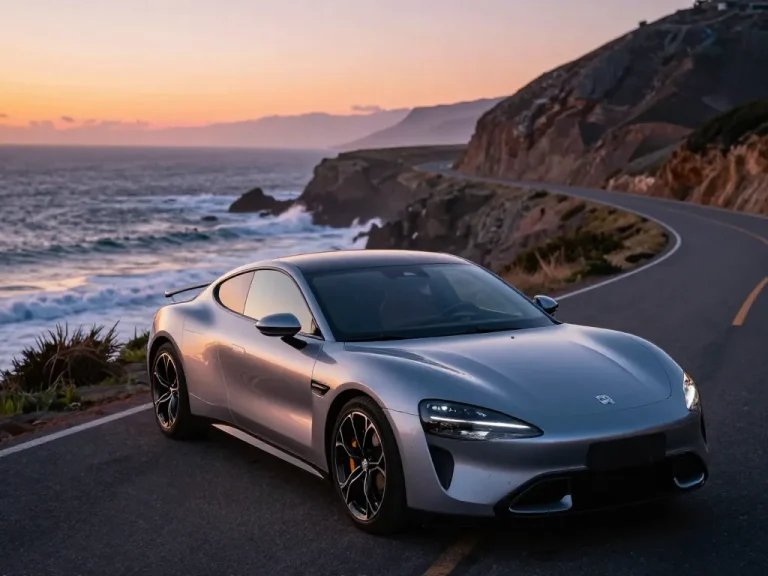

Understanding PPF Winter Road Salt Protection
What is PPF and its Importance?
Paint Protection Film (PPF) is a transparent, thermoplastic urethane film applied to a vehicle’s painted surfaces to protect against various environmental hazards. Known for its durability and versatility, PPF acts as a barrier against scratches, chips, and road debris while preserving the vehicle’s original paint. As winter approaches, the importance of PPF intensifies, particularly regarding its role in providing PPF winter road salt protection. Road salt used in icy conditions can cause irreparable damage to a vehicle’s paint job, and PPF is an effective safeguard against such risks.
How Road Salt Affects Vehicle Surfaces?
Road salt, composed primarily of sodium chloride and other chemicals, is essential for maintaining safety on winter roads. However, when this salt accumulates on vehicle surfaces, it can lead to oxidation and corrosion. Over time, exposure to salt can result in unsightly rust spots, particularly on metal components and painted surfaces. The chemical reactions that occur when salt combines with moisture can weaken the paint quality, leading to peeling, discoloration, and extensive damage.
Key Benefits of PPF in Winter
Applying PPF for winter protection offers numerous benefits:
- Prevents Corrosion: PPF acts as a shield against corrosive agents like road salt, maintaining the integrity of your vehicle’s paint.
- UV Protection: It filters harmful UV rays, preventing fading and discoloration, especially crucial during bright winter days.
- Scratch Resistance: PPF provides a durable layer that resists scratches from road debris, ensuring your paint remains flawless.
- Easy Maintenance: The smooth surface of PPF makes snow and ice removal more manageable, plus it simplifies cleaning your vehicle during winter.
Installation Process of PPF
Preparing Your Vehicle for PPF Application
Before applying PPF, proper preparation is essential to ensure optimal adhesion and longevity. Begin by thoroughly washing the vehicle to remove dirt, grime, and any residues. Utilize a clay bar to eliminate embedded contaminants that a wash may miss. Detailed drying is crucial as water spots can hinder film adhesion. Lastly, inspect the vehicle for imperfections. Any scratches or chips should be addressed beforehand, as PPF will seal these defects, potentially causing them to worsen over time.
Step-by-Step Installation Guide
The installation of PPF can be intricate, especially for those unfamiliar with protective films. Here’s a straightforward guide:
- Cutting the Film: Pre-measured film is ideal, but if cutting is necessary, ensure precision to avoid excess material.
- Applying the Solution: Use a solution of water and soap to lubricate the vehicle surface; this aids in positioning the film accurately.
- Positioning the Film: Carefully place the PPF on the desired area, avoiding bubbles or wrinkles. Start at one end and work to the other.
- Squeegeeing: Utilizing a squeegee, smoothly remove air bubbles and excess solution from under the film. Work from the center outwards.
- Trimming the Edges: Carefully trim excess film from the edges for a clean finish.
- Curing: Allow the film to cure according to manufacturer instructions, typically between 24 to 72 hours for complete adherence.
Professional vs. DIY Installation Considerations
Deciding between professional installation and a DIY approach can significantly impact the end result. Professional installers bring experience, access to high-quality materials, and specialized tools that can enhance durability and appearance. They can efficiently handle complex shapes, ensuring a seamless finish. However, opting for DIY can be cost-effective if you have the skills, patience, and follow the right instructions closely. Weigh the pros and cons based on your comfort level and ability to invest time and finances.
Maintaining PPF During Winter Months
Cleaning Tips for PPF Surfaces
Maintaining the appearance and functionality of PPF during winter necessitates proper cleaning techniques. Regular washing with a gentle car soap helps remove contaminants effectively. Avoid automatic car washes with abrasive brushes, as they may damage the film. Instead, hand wash with a soft microfiber cloth or sponge, and rinse thoroughly. Pay special attention to the edges where snow and salt can accumulate.
Managing Scratches and Damage
While PPF is designed to resist scratches, they can still occur. If minor scratches appear, many can be self-healing when exposed to heat (via sunlight or hot water). For spots that don’t heal, using a heat gun or hairdryer can help remove them. For significant damage, consult a professional installer to assess whether the film needs replacing or repair.
Winter Care Products Recommendations
To extend the life of PPF during winter, consider using specially formulated pH-neutral car shampoos, sealants, and sprays designed for vinyl and film care. Avoid harsh chemicals that could degrade the film’s adhesive properties or color. Detailers and fabricators often recommend specific brands suited for PPF maintenance, as these optimize its protective features.
Performance Metrics for PPF
Evaluating the Effectiveness of PPF
The performance metrics of PPF can be evaluated through several criteria, including durability against weather and road conditions, resistance to scratches and stains, and ease of maintenance. Real-world tests and feedback from users often reveal its capacity to withstand harsh winter conditions while retaining the underlying paint’s integrity. Additionally, manufacturers usually provide warranties that indicate how well the product is expected to perform over time.
Comparing PPF with Other Protection Methods
While various options are available for protecting vehicle surfaces, PPF stands out for several reasons. Ceramic coatings, for instance, offer chemical resistance but may not provide the same level of physical defense against rock chips and scratches. Traditional wax applications are also less durable against the elements, especially in winter. PPF’s combination of physical protection, flexibility, and self-healing properties makes it one of the best choices for winter road salt protection.
User Testimonials and Case Studies
Numerous users have reported significant long-term benefits from using PPF. Case studies highlight vehicles that retained their showroom condition thanks to protective films, even after multiple winters. Testimonials often focus on the ease of maintenance and the assurance of a sound investment, confirming that PPF provides a robust layer of protection that withstands winter wear and tear.
Frequently Asked Questions
How long does PPF last in winter conditions?
When properly installed and maintained, PPF can last up to 10 years, depending on various factors such as weather, exposure to salt, and care.
Can I wax PPF surfaces?
Yes, you can wax PPF surfaces, but ensure to use a wax that is safe for vinyl and does not contain abrasive materials that can damage the film.
Is PPF scratch-resistant?
While PPF is scratch-resistant, it is not completely scratch-proof. It can withstand minor scratches and scuffs but needs care to avoid deeper damage.
Will PPF yellow over time?
High-quality PPF is designed to resist yellowing from UV exposure, but subpar films may degrade over time. Always choose reputable brands.
Can PPF be removed without damage?
Yes, PPF can be removed without damaging the underlying paint if done properly. It’s advisable to seek professional help for removal to avoid issues.
About the Author